Can Hypnotherapy Help You Sleep Better?

Last Updated: November 1, 2026
Quick Summary
Hypnotherapy for sleep uses focused attention and deep relaxation to help people manage stress, racing thoughts and disrupted nights. Research suggests it may improve sleep quality for people whose difficulty is linked to stress or anxiety, though studies are small and it is not a guaranteed cure for insomnia.
Hypnotherapy for sleep aims to reduce physical and mental tension before bed.
Evidence is promising but not definitive, and most trials are small.
Cognitive behavioural therapy for insomnia is the first-line treatment recommended by NICE.
Seek GP advice if you have loud snoring, gasping or significant daytime sleepiness.
Practise self-hypnosis for ten to fifteen minutes most evenings, consistently.
Table of Contents
Sleep problems are among the most common complaints we hear, and many people wonder whether hypnotherapy could help them rest better. Many adults find that stress, racing thoughts or disrupted nights make daily life harder. Hypnotherapy is a form of therapy that uses a state of focused attention and deep relaxation to help people change how they respond to particular thoughts, feelings and habits. Below, we explain what the evidence currently shows, how a session generally works, and a simple self-hypnosis routine you can try yourself.
What Hypnotherapy Is and How It Relates to Sleep
Hypnosis is a natural state of focused attention combined with deep relaxation, in which a person is open to suggestion. Hypnotherapy is the structured use of that state to support a specific goal, such as easing anxiety or improving sleep. Clients remain aware throughout and can stop at any time.
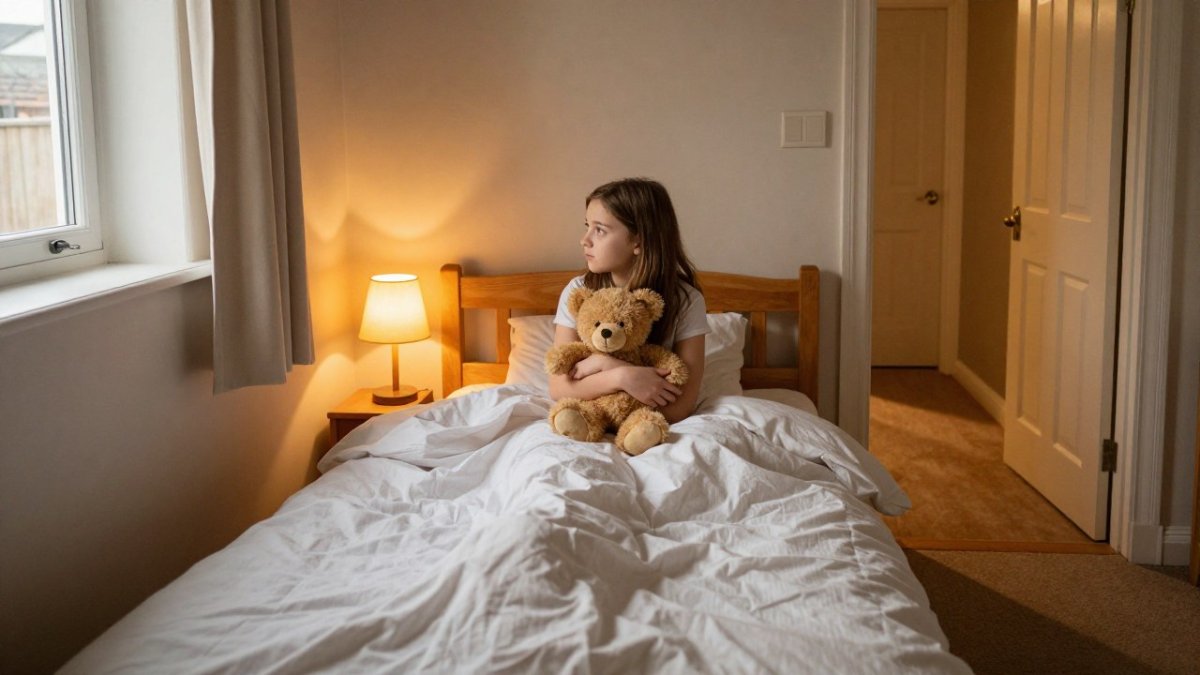
For sleep, the relevance is practical. Many people with poor sleep describe a mind that will not switch off, or a body that stays alert at bedtime. Hypnotherapy approaches to sleep often focus on lowering background tension and building calmer associations with bed and bedtime.
The Benefits of Hypnotherapy for Sleep
People who seek hypnotherapy for sleep commonly hope for a small number of specific outcomes. The main ones tend to fall into the following areas:
Lower levels of physical and mental tension before bed
Fewer racing thoughts when the lights go out
Easier transitions into sleep
Fewer interruptions during the night
A more settled routine around going to bed
Results vary from person to person, and no session can guarantee a particular outcome. Still, these are the areas most often discussed in practice.
Relaxation and quieting racing thoughts
A common pattern is the mind replaying the day just as the body is trying to rest. Relaxation techniques used in hypnotherapy aim to slow that mental activity by directing attention to calm, repetitive imagery and breathing. The goal is not to force the mind to empty, but to give it something gentler to rest on.
Falling asleep and staying asleep
Difficulty falling asleep and waking in the night are distinct problems, and they often need different approaches. Some sessions focus on the wind-down period before sleep, while others address what happens when someone wakes at 3 a.m. and cannot get back to sleep. A consultation can help identify which pattern applies to you.
The article lists the main outcomes people seek from hypnotherapy for sleep, and they are summarised below.
Area | What it addresses | Note |
Physical and mental tension | Tension before bed | Results vary from person to person |
Racing thoughts | Thoughts when the lights go out | Calmer imagery gives the mind something gentler to rest on |
Falling asleep | Easier transition into sleep | Often focused on the wind-down period |
Staying asleep | Interruptions during the night | Distinct from trouble falling asleep |
Bedtime routine | A more settled routine around bed | Supports regular habits |
Hypnosis for Insomnia: What the Evidence Shows
It is worth being precise about the evidence, because the gap between what research suggests and what is proven matters when you are deciding where to spend your time and money.
What the research generally indicates. Systematic reviews and meta-analyses of hypnosis for sleep have tended to report improvements in sleep quality and reductions in sleep-onset latency, with the strongest signals for people whose sleep difficulty is driven by stress, anxiety or racing thoughts.
What the evidence does not establish. Current research does not show that hypnotherapy resolves sleep apnoea, restless legs syndrome, medication-related insomnia or other underlying medical causes of poor sleep.
Key Takeaway Treat hypnotherapy as a promising adjunct for stress-related sleep difficulty, not as a proven first-line treatment for insomnia. If you are considering it, ask your practitioner what they base their claims on, and keep your GP informed, particularly if your sleep has changed suddenly or you have other health conditions.
Self-Hypnosis for Sleep: A Practical Routine
Self-hypnosis is something many people can start on their own, and a structured routine tends to be more useful than an occasional attempt. The approach below is general and educational rather than a clinical protocol.

Before you start. Choose a consistent time in the evening, ideally 30 to 60 minutes before bed, and the same quiet place each night.
A simple routine.
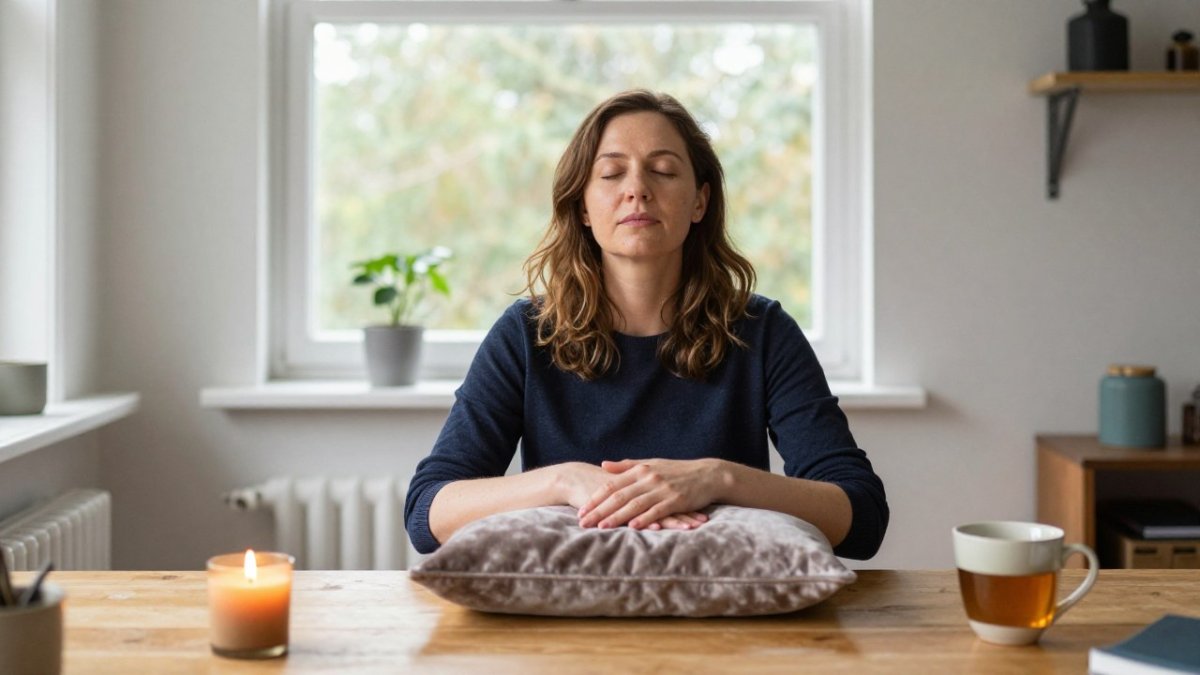
Sit or lie comfortably with your arms and legs uncrossed, and take three slow breaths, letting each exhale last a little longer than the inhale.
Bring your attention to one calm image, a still lake, a familiar quiet room, or a single restful word, and hold it lightly rather than forcing it.
Repeat a short, positive suggestion to yourself, such as "my body is becoming heavier and more relaxed" or "I can let the day go for now". Keep the wording simple and present-tense.
Allow yourself to drift without trying hard to fall asleep. The aim is relaxed attention, not effort.
When you finish, return to normal breathing slowly and give yourself a minute before getting up or turning over.
Choosing a script or audio recording. If you prefer a guided recording, look for one that uses a slow, steady pace, avoids claims of curing insomnia, and does not rely on dramatic or unsettling imagery.
If it increases frustration. Some people find that self-hypnosis makes them more aware of not sleeping, particularly at first. If that happens, shorten the practice to five minutes, switch to a simpler breathing exercise, or practise earlier in the evening rather than in bed.
Measuring progress without promising results. Keep a simple sleep diary for two to four weeks, noting the time you went to bed, roughly how long it took to fall asleep, how many times you woke, your total sleep time, and how you felt during the day. Look for gradual trends rather than night-to-night changes. If there is no meaningful improvement after a month of regular practice, that is useful information to take to a practitioner or your GP.
Watch Out Self-hypnosis is not suitable for everyone. If you have a history of psychosis, dissociative disorders, or epilepsy, or you are unsure whether it is appropriate for you, speak to your GP before starting. Stop if you feel distressed, disoriented or unwell.
Pro Tip Consistency matters more than length. Ten minutes most evenings is generally more useful than an hour once a week, and pairing the practice with a regular wind-down routine helps build the association between your routine and sleep.
How Long Sleep Hypnosis Takes to Work and Hypnosis for Falling Asleep
People often ask how long sleep hypnosis takes to show results. Again, individual timelines differ. Some clients notice changes within a few sessions, while others need a longer period of regular practice, particularly where sleep difficulties have lasted for years. Keeping a simple sleep diary can help you notice gradual patterns that might otherwise go unnoticed.
For hypnosis for falling asleep specifically, many clients focus on the transition period. Learning to let go of effort is often more useful than trying harder to sleep, because trying can itself keep the mind alert. A practitioner can help you explore this in a way that suits your situation.
If you are considering hypnotherapy, it is sensible to check your practitioner's qualifications and to discuss any medical conditions with your GP beforehand.
Booking a Free 20-Minute Consultation to Start Your Sleep Plan
If you would like to explore whether hypnotherapy might suit you, the easiest first step is a free 20-minute consultation with Sonia Reed Hypnotherapy. We will talk through your sleep concerns, what you have already tried, and whether an online session is likely to help. You can find out more about the free consultation and what services are available on our website, including how sessions are structured for sleep. For current prices, please visit the Sonia Reed Hypnotherapy website or contact us for a quote, as pricing depends on the type of support you need.
Frequently Asked Questions
Can hypnotherapy help you sleep better?
Hypnotherapy may help some people sleep better by encouraging deep relaxation, reducing stress and calming racing thoughts at bedtime. Its effect on insomnia is supported by some studies, but the research is limited and results vary between people. It works best as part of a wider approach that includes good sleep habits. If sleep problems persist, speak to your GP, who can discuss options including Cognitive Behavioural Therapy for Insomnia (CBT-I). Hypnotherapy is a complementary option, not a replacement for medical assessment.
How long does sleep hypnosis take to work?
There is no fixed timescale. Some people notice changes after a single session, while others need several sessions over a few weeks before sleep improves. Consistency matters, so regular practice of a self-hypnosis routine between sessions can help. If you have seen no improvement after a reasonable period, review your progress with your practitioner and consider whether another approach may suit you better. Cost and session numbers depend on the provider, so check Sonia Reed Hypnotherapy's website for current details.
Can you use self-hypnosis to fall asleep?
Self-hypnosis can be used at bedtime to encourage relaxation. A simple approach is to lie comfortably, slow your breathing, focus attention on one calm image or on the feeling of your body becoming heavy, and repeat a brief positive suggestion such as "my body is ready to rest". Practise during the day as well so the routine becomes familiar. Stop if you feel distressed, and do not rely on it alone if you have a persistent sleep problem.
Is hypnotherapy safe for sleep?
Hypnotherapy is generally considered low risk when delivered by a qualified practitioner. It is not suitable for everyone, however, and people with certain mental health conditions, a history of psychosis, or who are taking sedative medication should seek medical advice first. If you experience worsening sleep, low mood, or distressing thoughts, stop and contact your GP. Ask any practitioner about their qualifications and how they handle concerns before starting.

Comments