How to Manage Anxiety Naturally: 4 Practical Techniques

Last Updated: October 24, 2026
Quick Summary
To manage anxiety naturally, start with slow breathing: inhale through your nose for four counts, exhale for six, and repeat for two minutes. Grounding techniques like the 5-4-3-2-1 scan pull your attention back to the present, while daily walks, yoga and a regular wind-down routine are safer natural habits than herbs.
Breathe in through your nose for four counts and out slowly for six counts.
Repeat the breathing cycle for two minutes to switch on the relaxation response.
Use box breathing when a panic attack builds: in four, hold four, out four, hold four.
The 5-4-3-2-1 scan names 5 things you see, 4 you touch, 3 you hear, 2 you smell, 1 you taste.
St John's wort interacts with many medicines, including antidepressants and the contraceptive pill.
Table of Contents
Breathing Exercises for Anxiety: A Step-by-Step Guide
Learning how to manage anxiety naturally starts with your breath, it works quickly and costs nothing.
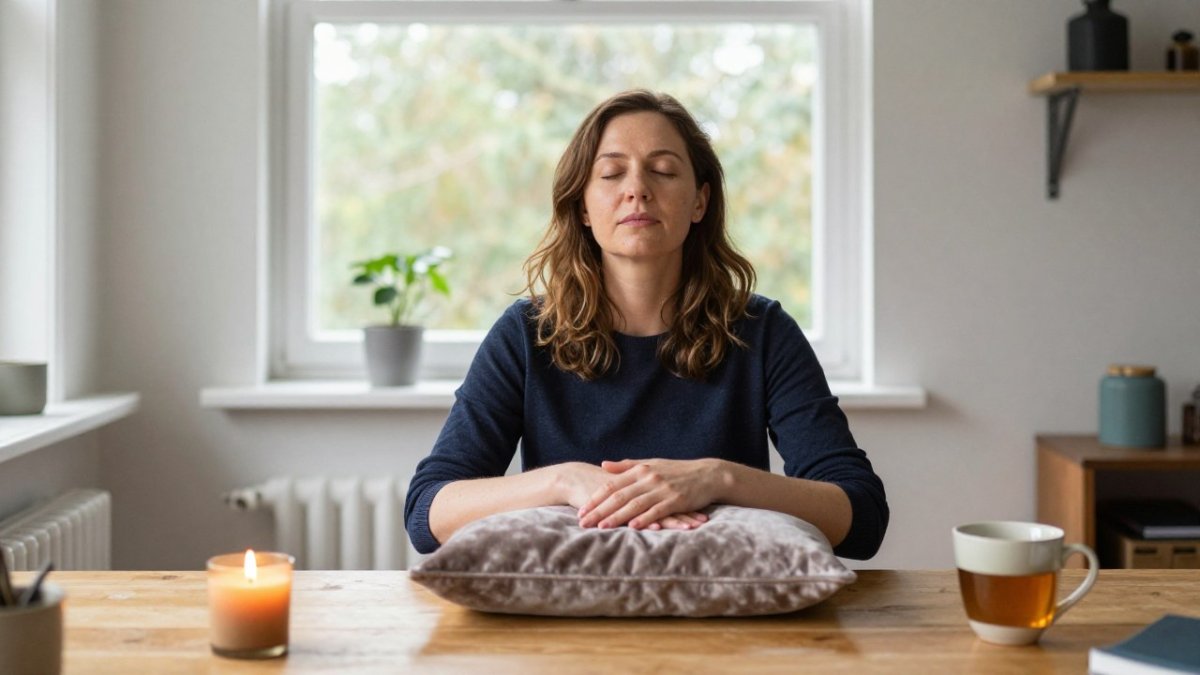
Breathing exercises for anxiety slow your heart rate and switch on the relaxation response. Try this:
Sit upright, hand on belly.
In through your nose for four counts, belly expanding.
Out slowly for six counts.
Repeat for two minutes.
This is diaphragmatic breathing; puffing the chest keeps you in shallow, stressed breathing.
Box breathing helps when a panic attack builds: in for four, hold four, out four, hold four, the counting gives your mind a job.
Pro Tip If you feel lightheaded, you are breathing too fast. Stop counting and breathe normally for a minute. Slow and steady always beats deep and dramatic.

Here is the breathing routine the article walks through, step by step.
Step | What to do | Time or frequency |
1 | Sit upright with a hand on your belly | , |
2 | Breathe in through your nose for four counts, belly expanding | Four counts |
3 | Breathe out slowly | Six counts |
4 | Repeat the cycle | Two minutes |
Box breathing | In for four, hold four, out four, hold four | When a panic attack builds |
If lightheaded | Stop counting and breathe normally | One minute |
Grounding Techniques for Anxiety: Staying Present When Worry Takes Over
Grounding techniques for anxiety pull your attention out of a worry spiral and back into the room, the fastest self-help tool for staying present. (Source: MHRA guidance on herbal medicines)
The most reliable method is the 5-4-3-2-1 scan:
5 things you can see. Name them out loud if you can.
4 things you can touch. The chair, your sleeve, the floor.
3 things you can hear. Traffic, a fridge hum, your own breath.
2 things you can smell. Or two smells you like.
1 thing you can taste. Even just the last sip of tea.
Body scanning works similarly: move attention slowly from toes to head without changing anything. Visualization helps too: picture a calm place in detail.
These coping strategies do not remove worry; they stop it taking over your whole body.
Natural Remedies for Anxiety: What the Evidence Says and How to Use Them Safely
Natural remedies for anxiety include herbs such as valerian and St John's wort, plus movement, sleep and diet. Evidence varies, and herbal does not mean automatically safe.
In the UK, a traditional herbal registration reflects traditional use, not proof of effectiveness. St John's wort interacts with many medicines, including antidepressants and the contraceptive pill, check with a pharmacist or GP first.
For most people the safer natural route is unglamorous: a brisk daily walk, yoga, a regular wind-down routine, and fewer late-night stimulants.
If anxiety affects daily life, talk to your GP about talking therapy and treatment options. Hypnotherapy for anxiety can sit alongside these, using focused relaxation to build calmer thought patterns. You can explore the full range of services, arrange a free consultation, or get in touch with any questions.
Watch Out Do not stop prescribed medication or swap it for a herbal remedy without medical advice. Sudden changes can cause withdrawal effects and make anxiety worse.
Anxiety rarely shifts overnight, so a steady plan beats a heroic one. If breathing, grounding and daily habits are not enough, hypnotherapy offers a calm, non-judgemental space to work on the patterns underneath. Sonia Reed Hypnotherapy provides personalised online sessions for adults and children, a free 20-minute consultation, and a compassionate approach shaped by lived experience. Book your free 20-minute consultation today and take the first step toward a calmer, steadier life.
Frequently Asked Questions
What breathing techniques can help reduce anxiety?
Diaphragmatic breathing and box breathing are two effective techniques. For diaphragmatic breathing, place one hand on your belly and breathe in slowly through your nose, feeling your belly rise, then exhale gently. Box breathing involves inhaling for four counts, holding for four, exhaling for four, and holding for four. These breathing exercises for anxiety help activate the relaxation response and can be used anywhere.
How can I calm anxiety naturally in the moment?
Try grounding techniques for anxiety such as the 5-4-3-2-1 method: name five things you can see, four you can touch, three you can hear, two you can smell, and one you can taste. Combine this with slow, deep breathing to manage anxiety naturally. If anxiety feels overwhelming, step away from the trigger, move your body gently, and remind yourself that the feeling will pass. Professional support is recommended if symptoms persist.
When should I seek professional help for anxiety?
Consider seeking professional help if anxiety interferes with daily life, causes significant distress, or leads to avoidance of situations. A GP can discuss treatment options, including talking therapy and medication. Hypnotherapy for anxiety is another option some people find helpful, focusing on relaxation and changing thought patterns. Always consult a qualified professional to decide the best approach for your situation.

Comments